Integrating Solar Inverters with Fuji UPS for Critical Facilities
Philippine medical facilities continue to face frequent brownouts, unstable grid power, and typhoon-related outages. While solar power systems offer renewable energy, they cannot always provide clean or uninterrupted electricity — especially during voltage drops, rapid grid-to-solar transitions, or sudden blackouts triggered by typhoons like Tino and Uwan.
Integrating a Fuji Electric Uninterruptible Power Supply (UPS) between the solar inverter and medical facility loads ensures clean, stable, and continuous power. This setup protects sensitive equipment, supports efficient energy use, and combines the sustainability of solar power with the reliability of industrial-grade backup technology.
Why Integrating Solar Inverters With Fuji Electric UPS Systems Matters
Solar systems deliver renewable energy, but they are not designed to provide seamless transitions during grid drops or sudden fluctuations. Sensitive electronics — computers, routers, CCTV cameras, and medical devices — can still suffer damage or unplanned shutdowns.
This makes the solar + UPS setup perfect for medical facilities needing continuous, stable power.
Recommended Fuji UPS Models for Medical Facility Use
For medical facilities seeking reliable backup power, Fuji Electric offers several Uninterruptible Power Supply (UPS Systems) options designed to protect sensitive and critical equipment. Below are two popular models — For a full product lineup, please visit our Full UPS Products Page.
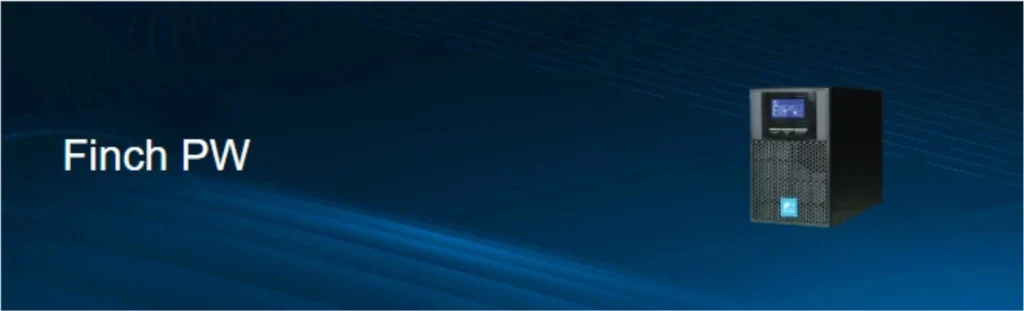
Finch PW Series – 2 kVA
For detailed technical information, you can view or download the complete product specification:
View and Download Finch PW Series Technical Specification
Tip: Oversize the UPS by 30 – 50% above your total load to manage surges and maintain uninterrupted backup.
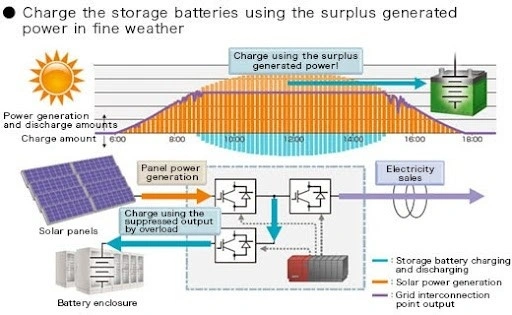
How Fuji Electric UPS + Solar Inverter Integration Works
Below is the standard power flow for solar systems integrating a UPS
- Solar Panels
Generate DC electricity from sunlight. - Solar Charge Controller / Inverter
Converts DC to AC for medical facility consumption. - Fuji UPS (Finch PW or GX Series)
Receives AC from the inverter or grid, then filters, regulates, and ensures uninterrupted output. - Facility Loads
Devices like computers, routers, CCTV systems, medical equipment, and lighting receive clean and stable power.
Visual Suggestion: Add a diagram labeled:
Solar Panels → Inverter → Fuji UPS → Facility Loads
Key Advantages of a Solar + Fuji Electric UPS Configuration
- Instant power delivery during inverter fluctuations
- Prevents shutdowns affecting home offices or medical equipment
- Corrects sags, spikes, and harmonics
- Protects devices from unstable grid conditions
- UPS battery activates when solar production decreases
- Keeps appliances, CCTV, and routers running consistently
- Finch PW Series optimizes energy usage
- Compatible with solar battery monitoring
- Helps reduce electricity costs and increases system efficiency
Key Advantages of a Solar + Fuji Electric UPS Configuration
Ensure the inverter’s AC output matches UPS input requirements (typically 220V, single-phase).
UPS battery configurations should align with 24V, 48V, or higher setups depending on the model.
Always size the UPS at 30 – 50% above the total expected load.
A certified solar installer or electrician should perform:
- Correct wiring
- Grounding
- Load balancing
- Safety compliance checks
Regular upkeep ensures optimal performance:
- Battery inspection
- Charge cycle monitoring
- Timely replacement
- Firmware updates
Practical Use Cases
- Hospitals and Medical Centers
- Diagnostic and Imaging Facilities (MRI, CT, X-ray)
- Clinical Laboratories and Blood Banks
- Emergency Rooms and Intensive Care Units
- Surgical and Operating Theaters
- Specialty Care Facilities (Dialysis Centers, Oncology Clinics)
- Medical Equipment Rooms and Critical Life-Support Systems
A 2 kVA Finch PW UPS can power a typical home office setup—including a laptop, router, CCTV, and lights — for 2 – 3 hours, depending on the battery configuration.
Why You Should Consider Industrial-Grade UPS Systems
Fuji Electric UPS models are built for harsh environments, making them more durable and reliable than consumer-grade brands. Read about Fuji Electric Power Supply Solutions in Philippine Conditions for a deeper look at UPS performance in tropical and unstable grid conditions.
- Stronger components
- Longer lifespan
- Better performance in tropical humidity
- Cleaner, more stable power output
- Designed for continuous, heavy-duty operation
This makes them well-suited for Philippine homes with frequent brownouts.
Power Reliability During Typhoon Season
During storms such as Tino and Uwan, grid power becomes highly unstable.
With a Fuji UPS, medical facilities benefit from:
- Protection from sudden voltage drops
- Continuous operation of CCTV, routers, and essential devices
- Reliable power for work-from-home setups
- Strong resistance to voltage fluctuations common during typhoons
Reference Case:
Fuji Electric UPS systems are used in large industrial applications — such as the Suzuran Manufacturing Plant — demonstrating the level of reliability that can also support critical loads.
Integrating a Fuji UPS Finch PW Series with your solar inverter gives your home a dependable, clean, and uninterrupted power source. This system delivers industrial-grade reliability while maximizing the sustainability of your solar setup.
Need a customized recommendation?
Contact Fuji Electric Sales Philippines for an on-site or virtual assessment. Their engineers can determine compatible UPS models, battery sizing, and integration options based on your existing solar system.
Tip: Request a customized load assessment for more accurate UPS sizing and installation planning.