Ensuring Reliable Power After Typhoon Tino and Uwan
Industrial Grade UPS systems have become increasingly critical after Typhoon Tino and Uwan exposed the vulnerability of the Philippines’ power infrastructure. Widespread outages disrupted power utilities, IPPs, government agencies,, manufacturing plants, commercial establishments, and even households. These events underscore the urgent need for stronger backup power solutions that can maintain continuous, stable operations during extreme weather conditions.
Amid these challenges, Industrial UPS Systems play a critical role in securing uninterrupted power, preventing equipment failure, and safeguarding critical operations—especially for sectors where even a few seconds of downtime can lead to major losses.
Why Industrial UPS Systems Matter During Severe Weather Events
Instant, Uninterrupted Backup Power
Unlike generators that require start-up time, Industrial UPS Systems (Uninterruptible Power Supply) deliver immediate power the moment the grid fails. This ensures continuous operation for:
- Power substations
- SCADA and automation systems
- Emergency communication lines
- Critical control rooms
- Industrial equipment and production lines
This fast response is vital during storm-related brownouts and grid instability.
Protects Sensitive Equipment From Power Fluctuations
Typhoons bring voltage spikes, sags, and frequency irregularities. Industrial UPS units help stabilize how UPS systems work
for:
- Control systems
- Servers and data centers
- Monitoring instruments
- Industrial automation devices
This prevents downtime, equipment damage, and costly recovery work.
Ensures Business Continuity Across Multiple Sectors
The ability to maintain operations during turbulent weather is essential for:
- Power Utilities & IPPs: uninterrupted transmission and distribution operations
- Government Agencies: disaster response centers, communication lines
- Manufacturing Plants: protecting production equipment
- Commercial Facilities: safe operation of elevators, lighting, security systems
Energy Efficiency and Smart Power Management
Modern Industrial UPS solutions are not just about backup—they also support energy-efficient and sustainable operations, aligning with national energy objectives.
- High-efficiency inverters and power converters reduce energy waste
- Smart load management optimizes energy consumption
- Battery health monitoring ensures longevity and reduced maintenance cost
- Integration with renewable sources (solar, wind) supports green energy goals
Industrial UPS systems now serve as part of a bigger ecosystem involving inverters, power converters, and renewable energy solutions, enabling smarter and more sustainable power infrastructure.
Industrial UPS systems now serve as part of a bigger ecosystem involving inverters, power converters, and renewable energy solutions, enabling smarter and more sustainable power infrastructure.
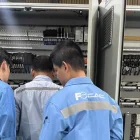
A practical example of this is the Suzuran Manufacturing Plant case study, where Fuji Electric UPS solutions were implemented to ensure continuous operations despite unstable grid conditions, demonstrating the effectiveness of industrial-grade backup in real-world applications.
How Industrial UPS Supports the Philippines' Critical Sectors
- Stabilizes power distribution
- Protects grid-critical equipment
- Ensures communication lines stay active
- Supports SCADA operations and substation automation
- Reliable backup during disaster response
- Maintains essential services (command centers, communication networks)
- Keeps life-saving equipment operational during outages
- Ensures uninterrupted power for ICU, ER, OR, and diagnostic machines
- Protects sensitive medical devices from power fluctuations
- Supports hospital data centers, EMRs, and communication systems.
- Prevents downtime and production loss
- Ensures automation lines, HVAC, and data systems stay up and running.
UPS Solutions for Medical Facilities Use
Medical facilities require uninterrupted, stable, and clean power to protect life-saving equipment and ensure continuous patient care. Fuji Electric UPS systems are engineered to support mission-critical hospital operations—from intensive care units to diagnostic laboratories—especially during sudden outages, voltage fluctuations, or emergencies caused by events like typhoons Tino and Uwan.
Beyond providing backup during grid failures, these UPS systems can integrate seamlessly with hospital energy setups, including diesel generators and renewable power sources. When paired with a hospital-grade inverter or generator, a Fuji UPS ensures a smooth, zero-transfer switch to backup power—preventing even the slightest interruption that could affect sensitive medical devices or critical procedures.
Recommended UPS Models for Medical Facilities
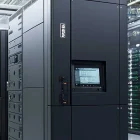
Certain UPS models from Fuji Electric are specifically suited for clinical, diagnostic, and hospital environments, where stability and reliability are essential.
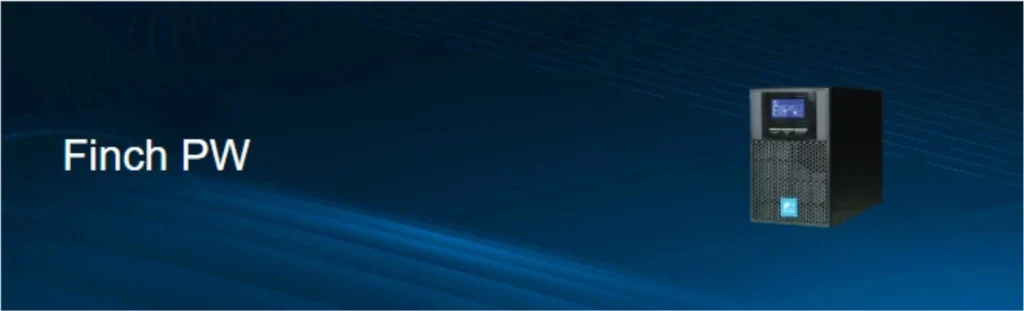
- Online double-conversion UPS for medical-grade power stability
- Designed for environments with poor or unstable power quality
- Ideal for lab tools, nursing stations, imaging consoles, and digital records.
- Keeps life-support equipment (ICU devices, ventilators, infusion pumps) operational
- Ensures uninterrupted power for OR, ER, diagnostic machines (CT, MRI consoles), and sterilization systems.
- Protects sensitive medical devices from voltage spikes, sags, and grid instability.
- Maintains continuous operation of hospital data centers, electronic medical records, and communication systems.
- Provides cleaner, more stable power than standard consumer-level UPS units.
- Built for long service life with durable industrial-grade components
With this setup, a Fuji UPS (Uninterruptible Power Supply) not only shields critical hospital equipment from power anomalies but also fortifies overall facility energy management, ensuring operational continuity during emergencies, natural disasters, or extended power interruptions.
Recommended Industrial UPS Features for the Philippine Environment
Given our tropical climate and frequent strong typhoons, businesses should look for:
- Long battery autonomy
- Tropicalized design (heat and humidity resistance)
- High surge protection capability
- Modular configuration for future expansion
- Compatibility with industrial automation and monitoring systems
Supporting the Path Toward Resilient and Sustainable Energy
Industrial UPS systems contribute to a more reliable and energy-efficient future, especially as the Philippines continues to face climate-related disruptions. They support the nation’s move toward:
- Smarter grid management
- Renewable energy integration
- Safer industrial and government operations
- Reduced long-term operational costs