Fuji Electric Sales Phlippines
About Fuji Sales Electric Philippines
Fuji Products and Solutions
Fuji News and Events
Contact Fuji Sales Electric Phlippines

One of the most effective ways to meet these expectations is through an industrial energy management system Philippines, which enables factories to monitor, control, and optimize energy consumption across all operations while improving sustainability performance.
Compared to traditional facilities, factories using smart energy systems can significantly reduce waste and improve reporting accuracy—something increasingly required by global manufacturers competing with sustainability leaders such as Fuji Electric.
For a deeper understanding of underlying energy challenges in industrial facilities, you can also refer to Fuji Electric’s analysis of power quality issues in manufacturing environments:
Power quality issues in Philippine manufacturing plants
Most factories in the Philippines still operate with limited visibility into real-time energy consumption. This leads to inefficiencies such as power loss, unbalanced loads, and unnecessary peak demand charges.
An industrial energy management system Philippines addresses this by integrating digital monitoring, automation, and analytics into a centralized platform that helps decision-makers control energy usage more effectively.
Learn more about core solutions here:
industrial energy management systems
A core component of any industrial energy management system Philippines is an energy monitoring system Philippines, which provides real-time visibility into electricity usage across machines, production lines, and departments.
Factories can:
This forms the foundation of factory energy efficiency solutions, enabling continuous optimization.
Modern power monitoring solutions provide detailed analysis of voltage quality, load distribution, and system performance.
Explore related solutions here:
power monitoring solutions
For Philippine manufacturers, this ensures:
These systems strengthen industrial energy performance by ensuring stable and efficient power distribution.
Automation plays a major role in modern energy optimization. Smart systems adjust loads based on production demand and operating schedules.
Key benefits:
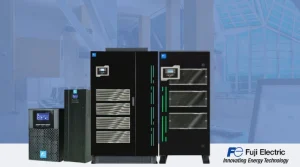
In many industrial setups, industrial UPS systems also play a supporting role in ensuring uninterrupted operations and stable power infrastructure.
Learn more here:
industrial UPS systems
This makes factory energy efficiency solutions a key competitive advantage in manufacturing.
Implementing an industrial energy management system Philippines requires expert design and integration.
A qualified supplier typically provides:
Working with the right provider ensures measurable ESG improvements and long-term ROI.
Factories benefit from automated ESG reporting through integrated systems.
Key advantages:
This reduces manual reporting effort and strengthens compliance with global ESG standards.
ESG performance is now a major factor in global supply chain decisions.
Factories adopting industrial energy management systems Philippines gain:
Energy efficiency is becoming a core manufacturing advantage in Southeast Asia.
The future of manufacturing in the Philippines is data-driven energy control. An industrial energy management system Philippines, supported by energy monitoring systems Philippines and power monitoring solutions, is becoming essential for ESG compliance and competitiveness.
Factories that adopt early and integrate systems like industrial UPS systems into their infrastructure will be better positioned to reduce costs, meet sustainability targets, and compete in global markets.
ESG in manufacturing refers to Environmental, Social, and Governance standards used to measure how responsibly a factory operates. It focuses on reducing environmental impact through energy efficiency, ensuring safe working conditions, and maintaining transparent governance practices. ESG is now closely tied to energy management and sustainability performance in industrial operations.
An industrial energy management system is a platform that monitors, analyzes, and optimizes energy usage across a factory or industrial facility. It integrates data from smart meters, sensors, and electrical systems to help businesses reduce energy waste and improve efficiency.
Testing schedules depend on facility requirements and equipment recommendations. Regular inspections and scheduled testing help ensure backup systems remain reliable.
Smart power distribution improves ESG performance by optimizing how electricity is delivered and used across factory operations. It reduces energy waste, improves safety by stabilizing power systems, and provides accurate, traceable data for reporting and compliance.
Working with a supplier ensures proper system design, installation, and integration of energy monitoring technologies. It enables energy audits, smart meter deployment, and continuous optimization for measurable ESG improvements.
Advanced Automation Systems for Local Businesses
Schedule Your Industrial Automation Consultation
Speak with Our Automation Sales Engineer Today