Fuji Electric Sales Phlippines
About Fuji Sales Electric Philippines
Fuji Products and Solutions
Fuji News and Events
Contact Fuji Sales Electric Phlippines
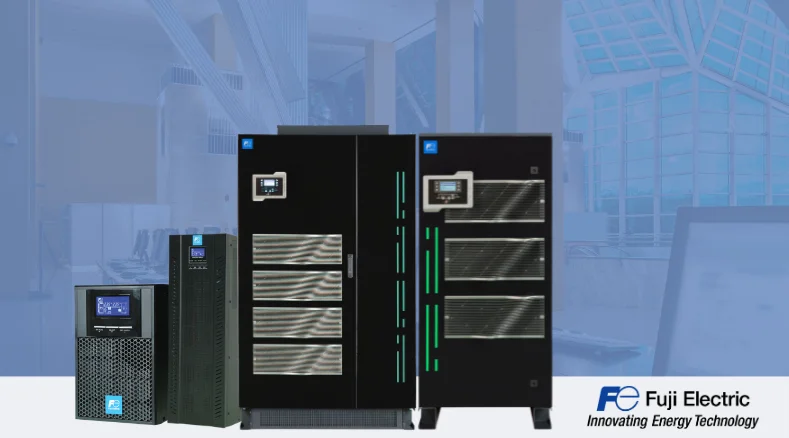
This guide helps facility managers and IT teams understand how to choose the most suitable UPS system based on operational requirements, risk level, and system sensitivity.
Before selecting a UPS system, it is important to evaluate how critical continuous power is to your operations. Some facilities can tolerate short interruptions, while others require uninterrupted, high-quality power at all times.
Factors such as equipment sensitivity, operational downtime tolerance, and load requirements all influence the type of UPS system needed.
Different types of UPS systems offer varying levels of protection. Instead of focusing only on how they work, it is more practical to understand when each type should be used.
Offline UPS systems are best suited for environments where power interruptions are infrequent and short-term disruptions are manageable. These systems are commonly used for basic office setups or non-critical equipment.
They provide a cost-effective solution but may not be ideal for operations that require consistent voltage regulation.
Line-interactive UPS systems are designed for environments that experience frequent voltage fluctuations. They stabilize power without immediately switching to battery, making them suitable for small to medium-sized IT systems and network infrastructure.
This type offers a balance between cost and performance for facilities that require moderate protection.
Online UPS systems are recommended for mission-critical environments where even a brief interruption is unacceptable. These systems provide continuous power conditioning and zero transfer time during outages.
They are commonly used in data centers, industrial automation systems, healthcare facilities, and large-scale operations where reliability is essential.
Selecting the right UPS system depends on how it will be used in real operational environments.
Facilities running critical IT infrastructure typically require online UPS systems to maintain uptime and protect sensitive equipment. Manufacturing environments often use UPS systems to support control systems and automation processes, ensuring production continuity.
In commercial and office settings, line-interactive systems are often sufficient to protect workstations and network equipment from power fluctuations.
Several factors should be considered when evaluating UPS system options.
Load capacity determines how much equipment the UPS can support, while backup time defines how long systems can run during an outage. Power quality requirements are also critical, especially for sensitive equipment that requires stable voltage.
Scalability is another important consideration for growing operations, ensuring that the UPS system can adapt to future expansion without requiring a complete replacement.
Selecting the correct UPS system directly impacts operational reliability and long-term cost efficiency. An undersized or improperly selected system can lead to unexpected downtime, while an optimized solution ensures consistent performance and protection.
For organizations operating in environments with unstable power conditions, the right UPS system becomes a critical component of business continuity.
To explore how UPS systems are designed and implemented for different industries, visit our Uninterruptible Power Supply solutions page:
The right UPS system depends on your load requirements, downtime tolerance, and the sensitivity of your equipment.
Online UPS systems provide the highest level of protection and are best for critical environments.
Yes. Many UPS systems are scalable and can be expanded based on future operational needs.
Advanced Automation Systems for Local Businesses
Schedule Your Industrial Automation Consultation
Speak with Our Automation Sales Engineer Today