Fuji Electric Sales Phlippines
About Fuji Sales Electric Philippines
Fuji Products and Solutions
Fuji News and Events
Contact Fuji Sales Electric Phlippines
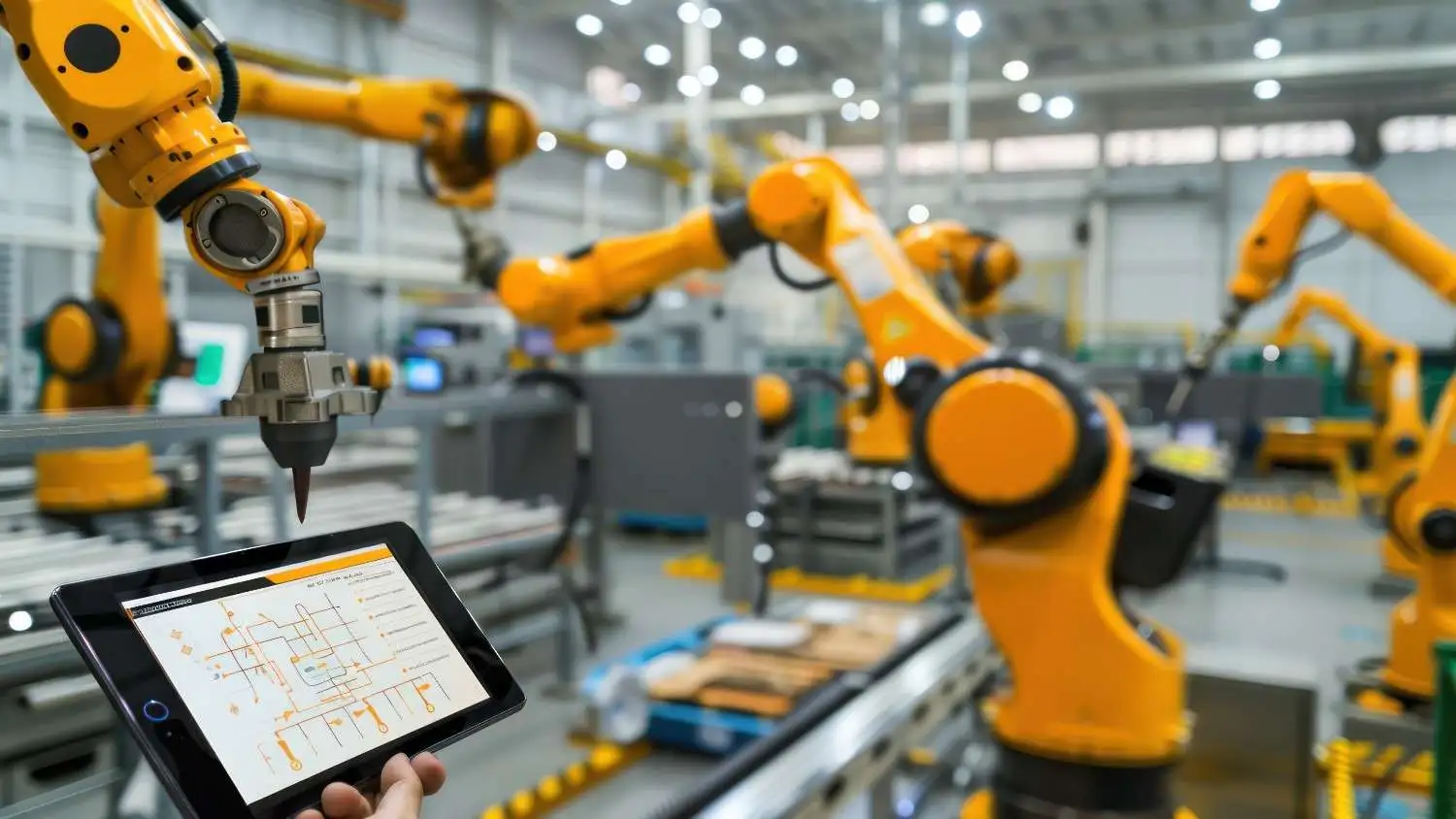
Industrial automation solutions refer to the integration of control systems, software, and industrial equipment that allow machines and processes to operate with minimal human intervention. These systems are widely used in modern industries to improve efficiency, consistency, and operational safety.
Industrial automation solutions are systems that use technologies such as PLCs, SCADA, sensors, and industrial networks to control and monitor machines and production processes automatically.
Instead of manual operation, these systems allow industries to:
Industrial automation works by connecting different layers of control systems that communicate with each other to manage industrial processes.
Sensors collect real-time data such as temperature, pressure, speed, or machine status.
PLCs process data from sensors and execute control commands to machines.
SCADA systems provide operators with a real-time overview of the entire process and allow remote control.
Collected data is analyzed to improve efficiency, predict failures, and optimize operations.
Fuji Electric Sales Philippines offers a wide portfolio of Industrial Automation Solution packages designed for various industry needs.
Industrial automation systems typically include:
Industries using automation systems experience:
In a manufacturing plant, sensors detect production line status and send data to a PLC. The PLC processes this information and adjusts machine operations automatically. SCADA systems allow operators to monitor the entire process and intervene when necessary.
Industrial automation is essential in modern industries because it enables businesses to stay competitive, reduce downtime, and improve production consistency.
It is a key foundation of Industry 4.0 and digital transformation in manufacturing and infrastructure sectors.
To see how industrial automation is applied in real industrial environments, explore our Industrial Automation Solutions page by Fuji Electric Philippines.
To learn more about how these systems are implemented in real industrial environments, visit:
They are systems that use control technologies like PLCs and SCADA to automate industrial processes.
It works by connecting sensors, controllers, and monitoring systems that manage production automatically.
The meter uses BLE communication to send energy consumption data directly to a mobile device. The data can then be transferred to a computer for centralized monitoring and analysis, reducing manual meter reading and improving efficiency.
Industrial automation solutions combine hardware, software, and control systems to improve industrial efficiency, safety, and productivity. They are a key part of modern industrial transformation and smart manufacturing systems.
To understand how these systems are designed and implemented in real-world applications, visit our Industrial Automation Solutions Philippines page.
Advanced Automation Systems for Local Businesses
Schedule Your Industrial Automation Consultation
Speak with Our Automation Sales Engineer Today