Fuji Electric Sales Phlippines
About Fuji Sales Electric Philippines
Fuji Products and Solutions
Fuji News and Events
Contact Fuji Sales Electric Phlippines
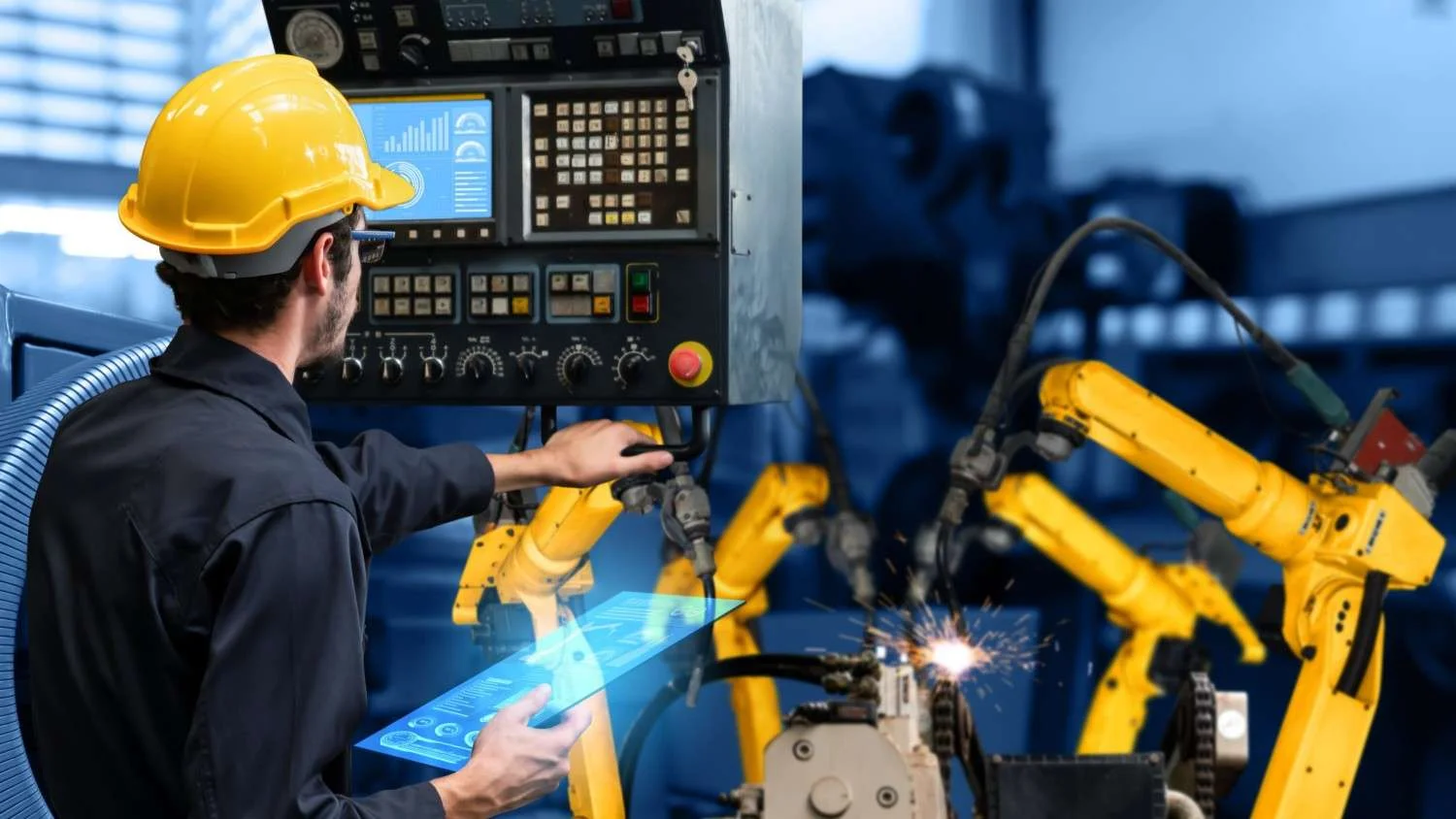
This article explores the main types of industrial automation systems used in manufacturing and how each system supports specific operational needs.
Industrial automation systems are integrated technologies that control and monitor industrial processes. These systems combine hardware and software components such as PLCs, SCADA, sensors, and communication networks to automate production environments.
They are designed to improve productivity, reduce errors, and ensure consistent output across manufacturing operations.
Different types of automation systems are used depending on production requirements, complexity, and scalability.
Fixed automation systems are designed for high-volume production with minimal variation. These systems are programmed to perform a specific set of tasks repeatedly.
They are commonly used in:
This type offers high efficiency but limited flexibility.
Programmable automation systems allow manufacturers to modify operations by changing the control program.
They are suitable for:
These systems provide more flexibility than fixed automation but may require downtime for reprogramming.
Flexible automation systems enable quick adjustments without significant downtime. They are ideal for environments where product variations are frequent.
They are used in:
This type supports high adaptability and efficiency.
Integrated automation systems connect multiple processes and machines into a unified system. These systems often combine PLCs, SCADA, and data analytics to provide centralized control.
They are commonly used in:
Integrated systems provide full visibility and coordination across operations.
Selecting the right industrial automation system depends on several factors:
Manufacturers often combine different automation types to achieve optimal performance.
Fuji Electric Sales Philippines offers a wide portfolio of Industrial Automation Solution packages designed for various industry needs.
A manufacturing facility producing multiple product variants may use programmable automation for batch control while integrating SCADA systems for real-time monitoring. This setup allows flexibility while maintaining efficiency and control.
Industrial automation systems help manufacturers improve operational efficiency, reduce downtime, and maintain consistent product quality. They also support better resource management and real-time decision-making.
As industries move toward smart manufacturing, automation systems become essential for maintaining competitiveness.
In a manufacturing plant, sensors detect production line status and send data to a PLC. The PLC processes this information and adjusts machine operations automatically. SCADA systems allow operators to monitor the entire process and intervene when necessary.
Industrial automation is essential in modern industries because it enables businesses to stay competitive, reduce downtime, and improve production consistency.
It is a key foundation of Industry 4.0 and digital transformation in manufacturing and infrastructure sectors.
To see how industrial automation is applied in real industrial environments, explore our Industrial Automation Solutions page by Fuji Electric Philippines.
To learn how these systems are designed and implemented in real manufacturing environments, explore:
The main types include fixed, programmable, flexible, and integrated automation systems.
It depends on production needs. High-volume production uses fixed automation, while flexible systems are ideal for varied products.
Testing schedules depend on facility requirements and equipment recommendations. Regular inspections and scheduled testing help ensure backup systems remain reliable.
Understanding the different types of industrial automation systems helps manufacturers choose the right approach for their operations. Each system offers unique advantages depending on production requirements, making automation a key driver of efficiency and growth in modern manufacturing.
Advanced Automation Systems for Local Businesses
Schedule Your Industrial Automation Consultation
Speak with Our Automation Sales Engineer Today