Fuji Electric Sales Phlippines
About Fuji Sales Electric Philippines
Fuji Products and Solutions
Fuji News and Events
Contact Fuji Sales Electric Phlippines
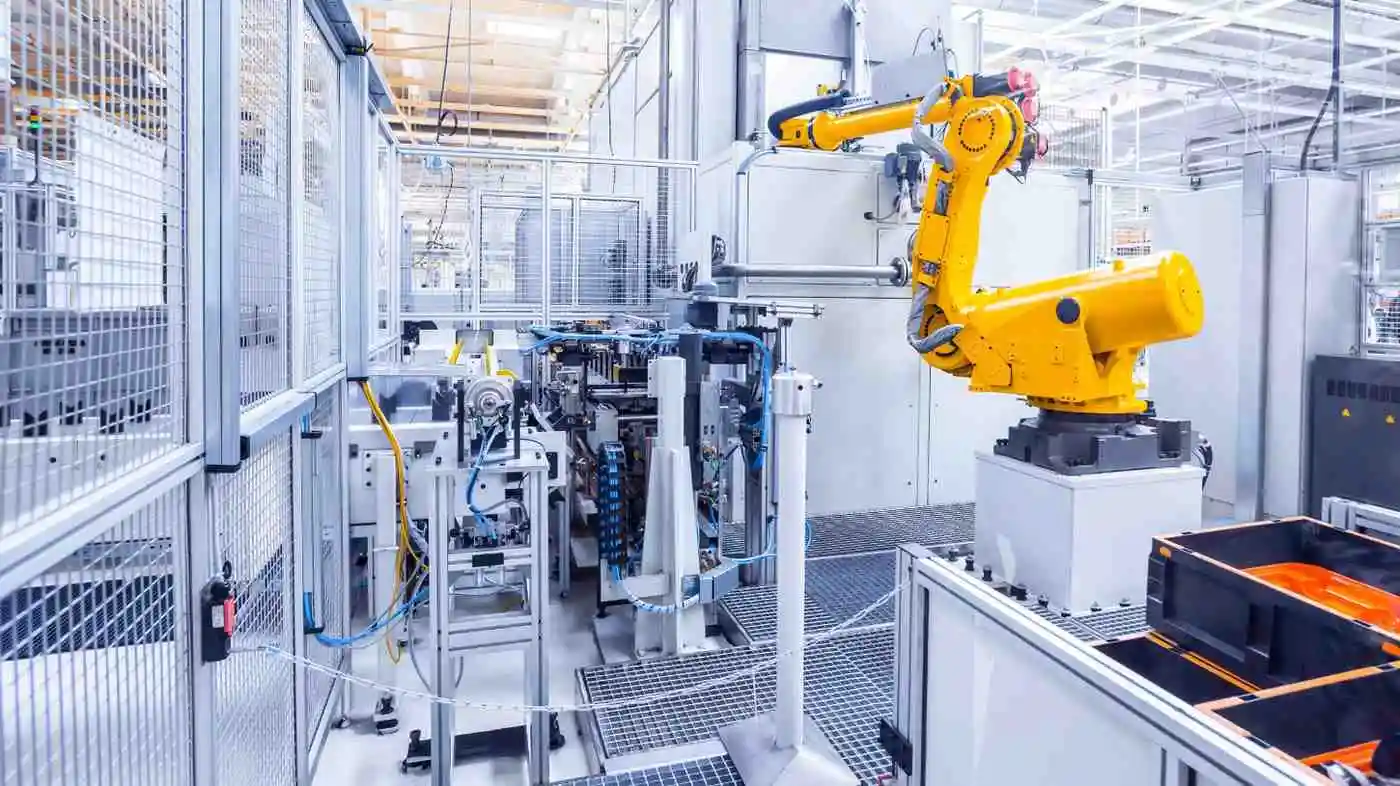
As industries face increasing pressure from rising operational costs, labor constraints, and global competition, automation provides a structured approach to building more resilient and scalable operations.
This article explores the key business-level benefits of industrial automation and why it is becoming a critical enabler of long-term industrial growth in the Philippines.
Industrial automation is not simply a technology upgrade. It represents a shift in how businesses design, control, and optimize their operations.
For Philippine industries, this shift is driven by three major pressures:
Automation addresses these challenges by enabling controlled, data-driven, and repeatable processes that improve overall business performance.
One of the most significant advantages of industrial automation is the ability to scale operations without proportional increases in manpower or operational complexity.
Automated systems enable:
For Philippine manufacturers, this translates into higher throughput while maintaining operational stability even under increasing demand conditions.
Automation reduces dependency on manual, repetitive tasks that traditionally consume labor and time resources.
However, the real value is not just labor reduction—it is cost predictability and process optimization.
Businesses benefit from:
Over time, these improvements contribute to a lower total cost of ownership for industrial operations.
In competitive industries, consistency is as important as output volume.
Industrial automation ensures that production processes follow predefined parameters with high precision. This reduces variability caused by human fatigue, manual handling errors, and inconsistent execution.
For businesses in the Philippines serving export markets or regulated industries, this consistency directly supports compliance and brand reliability.
Modern automation systems provide real-time operational data that allows decision-makers to monitor performance, identify inefficiencies, and respond proactively.
This visibility supports:
For operations teams, this shifts management from reactive problem-solving to proactive optimization.
Industrial environments often involve mechanical, electrical, or process-related risks. Automation helps reduce human exposure to hazardous conditions by delegating repetitive or high-risk tasks to controlled systems.
This results in:
For Philippine industries, this is especially important in manufacturing, utilities, and heavy operations sectors.
One of the most strategic benefits of automation is its ability to support business growth without operational bottlenecks.
As demand increases, automated systems can:
This scalability allows businesses to expand without proportional increases in operational complexity or staffing requirements.
Fuji Electric Sales Philippines offers a wide portfolio of Industrial Automation Solution packages designed for various industry needs.
Industrial automation enables access to structured operational data across production systems.
This data can be used to:
Over time, businesses move from experience-based decisions to data-backed operational strategy.
As more industries adopt automation, it is becoming a competitive differentiator rather than a future advantage.
Businesses that invest early gain:
In the Philippine industrial landscape, automation is increasingly tied to long-term competitiveness and sustainability.
Beyond immediate efficiency gains, industrial automation builds operational resilience.
It helps businesses:
This long-term stability is critical for industries operating in volatile or high-demand environments.
Industrial automation should be viewed as a foundational layer of modern industrial operations rather than a standalone improvement.
It enables:
For Philippine businesses, this foundation supports not only efficiency today but long-term industrial competitiveness.
To understand how industrial automation systems are designed and implemented for different industries, explore our solutions:
Industrial automation delivers measurable benefits across efficiency, cost control, quality, safety, and scalability. For Philippine businesses, it is no longer a future investment but a strategic requirement for sustainable industrial growth.
Organizations that adopt automation early are better positioned to operate efficiently, scale confidently, and compete effectively in an increasingly demanding market environment.
Industrial automation in the Philippines refers to using control systems and technology to improve manufacturing efficiency and reduce manual processes.
It helps businesses reduce costs, improve efficiency, and stay competitive in both local and global markets.
Testing schedules depend on facility requirements and equipment recommendations. Regular inspections and scheduled testing help ensure backup systems remain reliable.
Automation minimizes human error, reduces waste, and optimizes energy and resource usage.
Yes, automation is scalable and can be adapted to different business sizes depending on operational needs.
Advanced Automation Systems for Local Businesses
Schedule Your Industrial Automation Consultation
Speak with Our Automation Sales Engineer Today