Fuji Electric Sales Phlippines
About Fuji Sales Electric Philippines
Fuji Products and Solutions
Fuji News and Events
Contact Fuji Sales Electric Phlippines
The Return on Investment (ROI) of a VFD is driven by a simple piece of physics known as the Affinity Laws. For centrifugal loads—such as the cooling pumps and ventilation fans common in Laguna and Batangas factories—power consumption is proportional to the cube of the motor speed.
The Impact: Reducing your motor speed by just 20% can reduce your energy consumption by nearly 50%.
To present a compelling case to management, focus on these three financial pillars:
Calculate the difference between your current fixed-speed consumption and the optimized VFD speed.
(Current kW × Hours/Year × Rate per kWh) – (Estimated kW with VFD × Hours/Year × Rate per kWh) = Annual Savings.
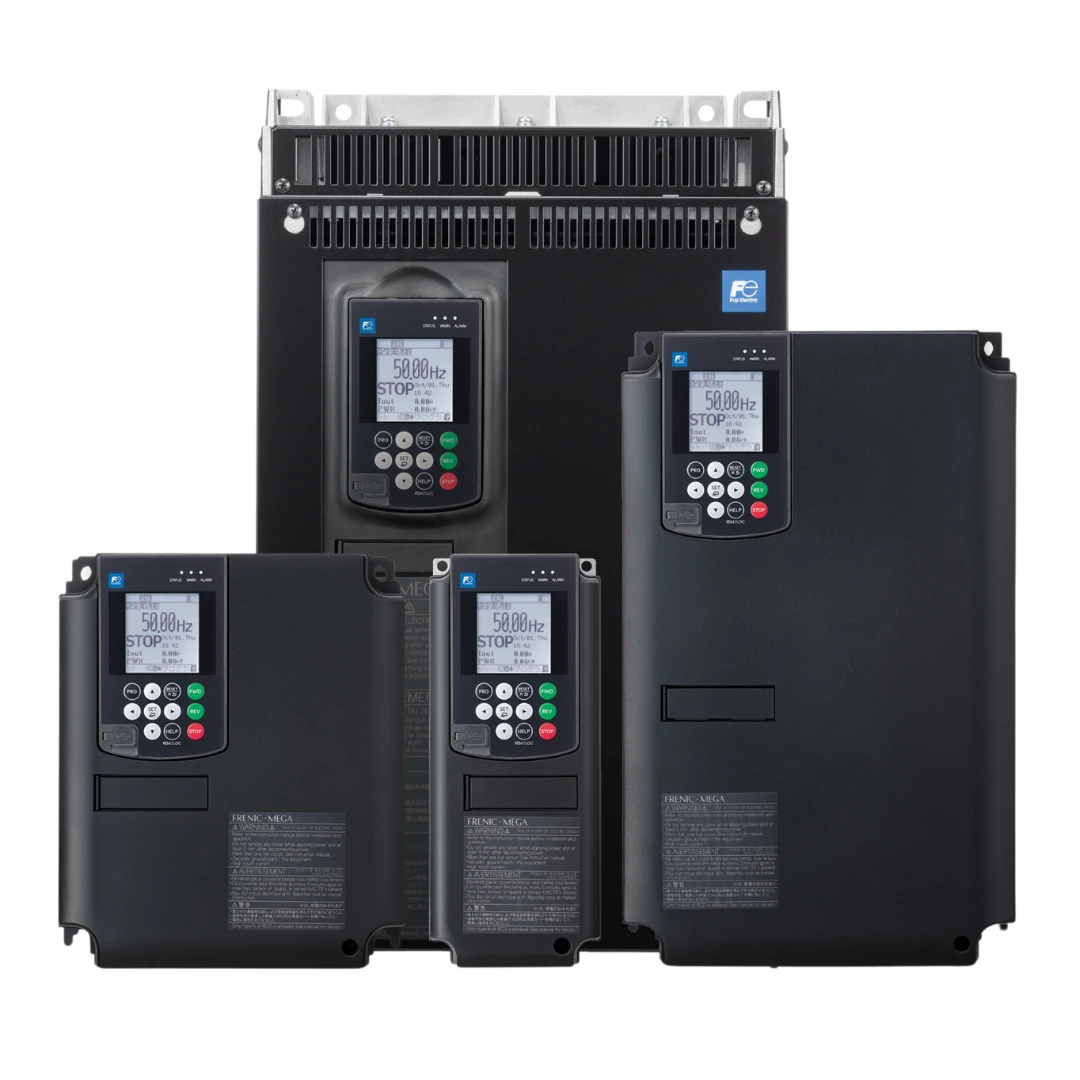
Starting a large motor “across-the-line” creates an inrush current 6–10x higher than its rated current. Most PH utility providers charge a “Demand Charge” based on your highest peak. Fuji Electric FRENIC-MEGA drives provide a “Soft Start,” keeping your demand spikes flat and your monthly bill lower.
Mechanical stress is the primary cause of motor failure. By eliminating the “jolt” of sudden starts and stops, you extend the life of your belts, bearings, and motors, deferring expensive CAPEX for replacements.
|
Feature
|
Standard Inverter
|
Fuji Electric FRENIC-MEGA
|
|---|---|---|
To secure budget approval, focus your proposal on these three high-impact areas:
In a high-cost power market like the Philippines, efficiency is a profit center. Discover how a transition to Fuji Electric’s FRENIC-MEGA can stabilize your OPEX and provide the long-term reliability your production line demands.
The ROI of a high-efficiency Variable Frequency Drive (VFD) depends on motor size, operating hours, and electricity rates. In many Philippine factories, VFD upgrades can achieve payback within 8–14 months through reduced energy consumption, lower demand charges, and minimized maintenance costs.
VFDs optimize motor speed based on actual load demand instead of running motors at full speed continuously. This significantly lowers power consumption, especially for pumps, fans, and HVAC systems commonly used in Philippine industrial facilities.
Testing schedules depend on facility requirements and equipment recommendations. Regular inspections and scheduled testing help ensure backup systems remain reliable.
Soft-start functionality gradually accelerates motors during startup, reducing mechanical stress on belts, bearings, shafts, and electrical components. This helps extend equipment lifespan and lowers maintenance and replacement expenses.
The Fuji Electric FRENIC-MEGA is designed for demanding industrial environments with enhanced protection against heat and humidity. It also offers built-in PLC functions, high overload capacity, and energy-efficient motor control ideal for Philippine manufacturing facilities.
Advanced Automation Systems for Local Businesses
Schedule Your Industrial Automation Consultation
Speak with Our Automation Sales Engineer Today